









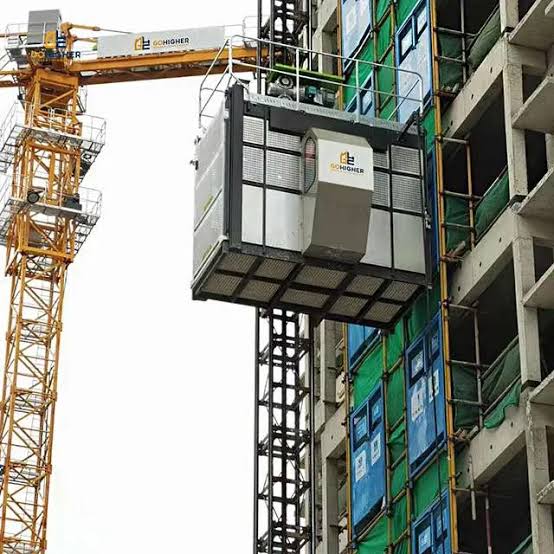
Transporting materials around a multi-level construction site is no easy task. Depending on the construction project, bricks, tools, and other supplies will often need to make their way up to higher floors. An appropriate lifting cage allows workers to carry loads of materials placed in an area without losing containment throughout the entire lift.
A crane cage is used for carrying materials to and within specific locations, particularly when errant lifting methods would be impractical. However, it is again necessary that the cage be suitable for the crane, load in question, and what happens during planned operation.
What is a Crane Cage?
A crane cage is a specially constructed container designed for transporting goods with appropriate lifting equipment. It may have mesh sides, lift point, and a secure base, depending on its design.
The cover also serves to assist in containing all loose materials from spilling when moving. This can be helpful if you are working on a construction site where materials need to go from ground level to an elevated place.
Do not use the cage over its rated weight capacity, and only as intended by the manufacturer.
- Moving Bricks and Blocks
The most common application of this is for transporting bricks, blocks, and other similar masonry products.
With a number of bricks, a single brick cage makes for a more manageable load to move between levels. This can limit the number of times materials are physically handled and provide better organisation.
Verify proper placement of bricks and no overloading of cage when lifting.
- Transporting Building Materials
Construction sites go through different materials at various points of the day. You can transfer compatible items using a suitable lifting cage such as tools, fittings, pipes, and other building materials.
Workers spend more time on transporting materials than they should, finding ways to move smaller items many times; the crane cage combine these small materials into one controlled stack of work.
Ensure that the material is not able to fall through spaces in cage during lifting; only use suitable materials.
- Supporting Roof and Upper-Level Work
Many roofing and mid-level construction tasks also require the movement of materials from ground level to higher places. A lifting cage can bring the right supplies closer.
This can be a time saver and helps to avoid carrying things upstairs, ladders, etc.
The lifting plan should factor in the weight of the cage, its contents, and be within the cranes capacity at that radius to be lifted.
- Moving Tools Around Large Sites
A huge construction project in a wide region. Workers would have to transport tools and also smaller equipment throughout various areas of the site.
An appropriate cage can keep like tools organised in transit. This could drive a more methodical flow of material and limit trips across the site.
- Handling Waste and Site Materials
Others include lifting cages that move appropriate building waste or materials at the construction site down to ground level. It has to be secure and ideal for the cage.
Especially with loose or sharp materials. Waste must never be allowed to overspill the cage and create a falling-object hazard.
Final Thoughts
Cage lifters are a useful tool in the construction industry to transport materials around the site. It helps to contain and organise loads from bricks, blocks, and tools, to appropriate building materials.
The important thing is to use the right tool for the job. Regardless of the type (brick cage or crane cage for other loads which are suitable), you must always comply with the manufacturers’ requirements, site procedures, and relevant hygiene rules in force.