







Value is not the same as price. Price is what you pay today. Value is what the home gives back over years, in rent, comfort and resale appeal. Linktown Residences sits in a growing part of Singapore, so it makes sense to look past the brochure and weigh the real drivers.
Smart buyers ask odd questions. Who will want this flat in ten years? What could go wrong? Here we cover location, pricing, tenure, future plans, holding costs and the exit. Nothing flashy. Just the parts that quietly decide whether a purchase ages well.
Location Sets the Ceiling
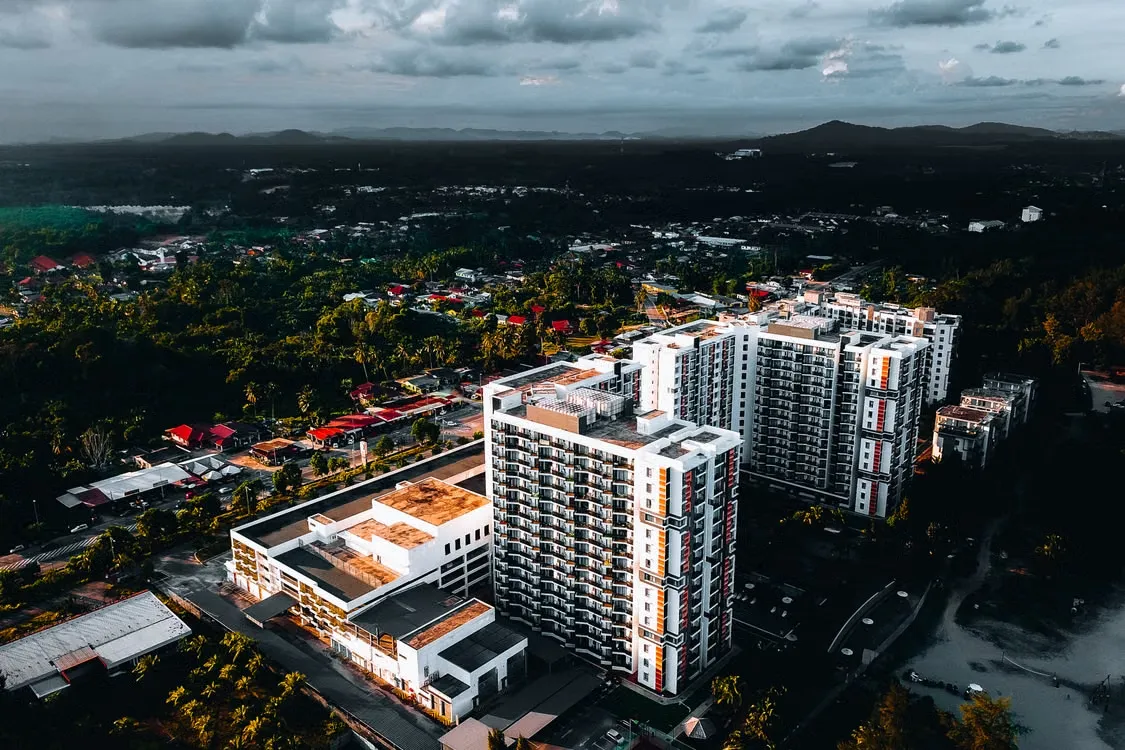
Location is the one thing you cannot renovate. Train access, schools, shops and jobs nearby all shape demand. Homes close to daily needs tend to hold interest, even when the market cools.
Walk the area yourself. Check the route to the station at rush hour and again at night. Lentor Signature buyers often point to the growing north as the big draw. Still, a good map is not the same as a good street. Visit twice.
Reading the Price Fairly
A launch price needs context. Compare it with nearby projects of similar age and size. Look at price per square foot, but do not stop there, since layout and floor level change the picture.
Ask what is included. Fittings, appliances and parking can shift the real cost. Linktown Residences buyers should also check recent resale deals in the area. Real transactions beat sales talk. A fair price feels boring, and that is usually a good sign.
Tenure and What It Means
Tenure affects long term value. Freehold and long leasehold homes behave differently from shorter leases, especially when it comes to resale and bank loans. A shorter remaining lease can narrow the pool of buyers.
Check the exact tenure in the sales documents, not just the brochure headline. Think about your holding period too. If you plan to sell in seven years, the lease clock matters less. If you plan to hold for decades, it matters a lot.
Planned Upgrades and Growth
Authorities often plan new housing, shops and transport for developing areas. Such upgrades can lift demand over time, though timelines shift and some plans never arrive as drawn.
Use official source to check what is actually planned. Treat rumors as rumors. Growth is a clue, not a promise. A balanced buyer enjoys the possible upside without building the whole budget around it. Hope is lovely, but it does not pay the mortgage.
Tenant Demand and Rental Yield Resilience
For investor a property’s true baseline value is anchored by its ability to generate recurring income. Examining the surrounding tenant pool such as healthcare professionals, technology employees or expatriate families seeking proximity to reputable schools provides a realistic picture of gross rental yield. Properties situated in estate with healthy rental absorption such as Linktown Residence and Lentor Signature Properties offer cash flow stability that helps buffer holding costs during periods of broader economic uncertainty.
Efficiency of Layouts and Adaptable Design
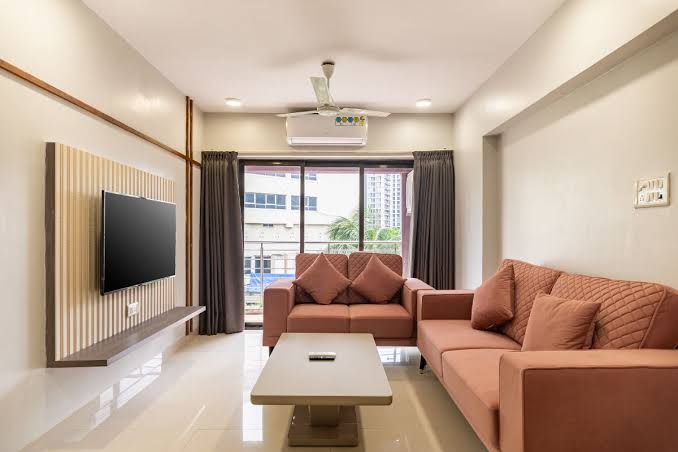
A flat’s interior space play a major role in determining both its living appeal and long term marketability. Highly functional layout with minimal waste such as dedicated foyer space efficient dumbbell floor plan and versatile study nook consistently command a premium in the resale market. Unit that cater seamlessly to shifting lifestyle trend including remote work configuration and multi generational living tend to maintain stronger buyer interest over time.
Developer Track Record and Construction Quality
The underlying reputation of the developer and main contractor heavily impact a property long term depreciation curve. Well executed projects with durable materials quality internal fittings, and proactive estate management retain their visual and structural appeal far beyond the initial handover period. Checking past completed developments by the same builder gives buyers a reliable forecast of how well the estate will stand up to daily wear and tear over a ten- to twenty-year horizon.
Holding Costs You Should Count
Every home has running costs. Maintenance fees, property tax, insurance and loan interest all add up. Bigger facilities usually bring bigger monthly fees, so match them to what you will really use.
Add renovation, furnishing and the odd repair. A cushion of savings turns bad surprises into small ones. Run the numbers with a slightly higher interest rate, just to be safe. If the plan still works, the plan is sturdier than it looked.
Planning the Exit Early
Every investor needs an exit. Sell after five years, ten, or hold for retirement. Your plan shapes how you finance, furnish and maintain the unit.
Check current rules on holding periods and seller taxes with official sources, since they change. Keep the flat in good shape, because a tidy home sells faster. Think about who the next buyer might be, and make the unit appealing to them.
Conclusion
Investment value comes from many small factors. Location, fair pricing, tenure, planned growth, costs and a clear exit all matter, and none works alone. Lentor Signature is one option to compare, so weigh each factor carefully.
Slow down and gather the facts. Visit more than once, read every document and keep a cash cushion. Speak with a licensed adviser if possible. A sound investment rarely feels exciting, but it tends to let you sleep well.
The Short Version
- Value of a property is determined by its long-term benefits such as rent, comfort, and resale appeal, distinct from its purchase price.
- Location is crucial to real estate value as it cannot be renovated and significantly influences demand based on proximity to amenities.
- Tenure type affects long-term property value, with freehold and long leasehold homes typically performing better regarding resale potential than shorter leases.
- Understanding tenant demand and the surrounding rental demographics is vital for investors to assess potential rental yield and income stability.
- The efficiency of a property’s layout and its adaptability to lifestyle changes play a significant role in its long-term marketability and resale value.
- Ongoing holding costs, including maintenance and property taxes, should be carefully calculated and planned for to prevent financial strain.