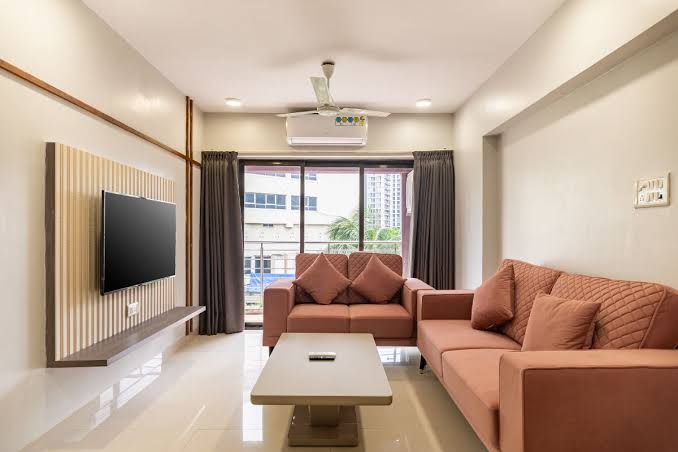










After years in a big family home, the idea of fewer rooms can feel like giving something up. Yet many people discover that a smaller, smarter home hands them more time, more energy and far fewer chores.
In This Article
- Start with what you actually use
- Letting go of the stuff
- Health care within reach
- A settled neighbourhood in the north-east
- Lifts, steps and sensible design
- Quiet luxury by the river
- Staying connected
- Finances in the quieter years
- Conclusion
Here’s a practical look at downsizing, and how quite different upcoming projects might suit this stage of life.
Start with what you actually use
Walk through your current home and note which rooms you visit daily and which simply collect dust. Most households find that a handful of spaces carry the entire routine, while the rest sit waiting for a visitor who rarely comes.
Be brave about the remainder. A guest room used on a few nights a year might be better replaced by a sofa bed and a more generous living area. Space you don’t use still needs cleaning and cooling. It also needs furnishing, which is a quiet drain on both energy and money.
Letting go of the stuff
Downsizing is mostly a sorting exercise. Years of accumulated belongings need decisions, and the process can stir up memories along the way, so give yourself plenty of time and a patient helper who won’t rush you.
Photograph what you can’t keep, pass heirlooms to relatives who truly want them, and donate sensibly. A lighter home is easier to love, and it’s far easier to clean on a lazy weekday. Fewer objects also means fewer arguments about where things belong.
Health care within reach
As the years pass, access to clinics, pharmacies and hospitals becomes more important. Map the closest facilities to each candidate home, and think about how comfortably you’d travel on a day when you aren’t feeling great.
Ask about ambulance routes, nearby specialists and whether neighbourhood clinics keep extended hours. Peace of mind is part of the purchase, even if it never appears on a floor plan.
A settled neighbourhood in the north-east
One Chuan Grove sits in a mature residential area with schools, shops and food centres that long-time Singaporeans know well. A nearby rail station offers gentle independence, so you needn’t rely on a car for every outing.
Large developments can feel sociable, with residents of all ages around the grounds. For some people that means welcome company, and for others it’s a little too much noise. Visit during the day and again in the early evening.
Lifts, steps and sensible design
Accessibility matters at every age. Check for step-free routes from lift to front door, door widths, bathroom layouts and whether the common areas offer seating along longer walks.
Small details such as non-slip flooring and well-placed handrails make a huge difference later. Ask about them now, and think about modifications you’d want even if you don’t need them yet.
Quiet luxury by the river
River Opus offers a different mood: a central, well-served location with a river path for gentle walking, and a compact residential community that may feel more private than a sprawling estate.
The planned mix of shops and dining nearby could mean daily errands within a short stroll. Just confirm how much of that convenience will actually be finished and open by the time you move in.
Staying connected
Loneliness can creep in once children move out. A home that makes visits easy, whether through nearby transport or a welcoming guest area, helps family relationships stay active and warm.
Look for walking groups, community clubs, libraries and hobby classes close by. A neighbourhood full of reasons to step outside tends to keep spirits high and the calendar pleasantly full. Isolation is often the hidden cost of a quiet home, so plan against it.
Finances in the quieter years
Downsizers may release some cash, but should treat that money with care. Plan for healthcare, travel and unexpected costs, and resist stretching the budget just to impress the neighbours.
Speak with an adviser you trust about retirement income, estate planning and any rules that affect property sales and purchases. Good advice is cheap compared with a poor decision.
Conclusion
Hire reliable movers, label boxes clearly and unpack the kitchen and bedroom early. A functioning bed and a cup of tea restore calm surprisingly fast after a long, dusty day of lifting.
Allow the new home several weeks to feel like yours. Familiar photos on the wall, a favourite chair and a good reading lamp work wonders, and soon the old address will feel like a pleasant memory. Give it time and a few good meals.
The Short Version
- Most households find that a handful of spaces carry the entire routine, while the rest sit waiting for a visitor who rarely comes.
- Downsizing involves sorting through years of accumulated belongings, requiring time and the support of a patient helper.
- Access to healthcare facilities such as clinics, pharmacies, and hospitals becomes increasingly important as people age and should be considered when downsizing.
- A home that promotes social connections, such as nearby transport, community clubs, and hobby classes, can help prevent feelings of loneliness after children leave home.
- Downsizers should plan carefully for healthcare, travel, and unexpected costs to manage their finances effectively during retirement.