






Property teams need images that describe more than square footage. Prospective tenants, buyers, partners, and community stakeholders may also need to understand use, service, location, and character. The challenge is shelf life: spaces change, units turn over, landscaping moves through seasons, and people make a building feel real. A useful visual library balances durable brand material with an update plan instead of treating every shoot as a disconnected listing assignment.
Option one: a property-first foundation
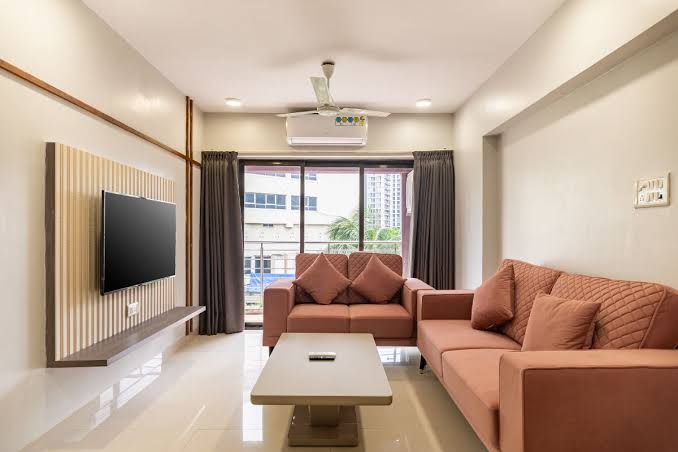
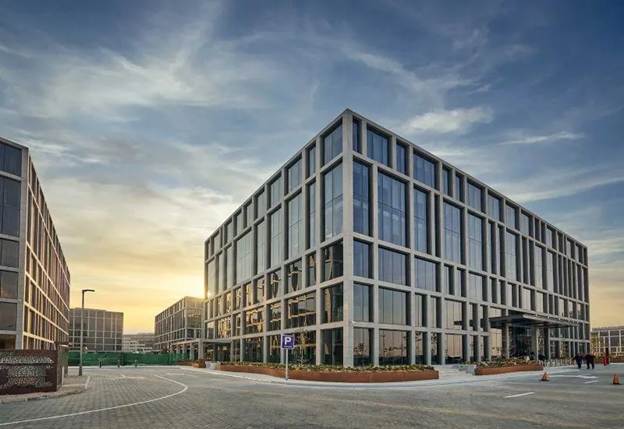
This approach creates a strong architectural and spatial record: exterior approaches, entrances, circulation, shared amenities, representative interiors, views, materials, and wayfinding. It is appropriate when the physical asset is stable and many communications need a consistent visual baseline. Timing should reflect sun direction, occupancy, access, and any areas still under work.
The limitation is human context. Empty spaces can be clean and flexible but leave viewers unsure how the property functions. A property-first library should still capture a few scale cues and service details, provided they are accurate and permitted.
Neighbourhood context should be specific and defensible. Transit access, streetscape, nearby public space, and connections to daily needs can orient viewers, but the imagery should not imply ownership, exclusivity, or a view the property does not offer. Record where off-site images were made so future teams can caption and license them correctly.
Option two: an experience-led content day
An experience-led plan adds people using the spaces: arrival, work, meetings, hospitality, amenities, or neighbourhood movement. Participants may be real staff and tenants or appropriately arranged talent, but the use should remain credible. The brief needs releases, wardrobe guidance, activity plans, and clarity about what can be staged.
Teams can compare Indigo Visual’s combined visual-content services when considering still and motion coverage together. Photography can supply page layouts and campaign detail; video can connect routes, atmosphere, voices, and transitions through the property.
Plan people by role rather than using an anonymous crowd. A concierge, leasing representative, facilities specialist, tenant team, resident, or visitor can each reveal a different part of the experience. Confirm participation and usage in writing, avoid representing staged talent as an actual tenant, and give every scene a plausible activity with a clear destination.
Option three: a foundation plus scheduled updates
This model begins with durable property and brand material, then adds smaller sessions for seasonal exteriors, completed amenities, new tenants, events, team changes, or available spaces. It fits properties whose story evolves throughout the year. The initial shoot should record visual standards so later work can extend the library rather than restart it.
Updates need ownership. Maintain an inventory showing the space, capture date, current status, permissions, and primary uses. Flag photographs that no longer represent finishes, occupancy, signage, or services. A beautiful image becomes a liability when it creates the wrong expectation.
Use reference frames and written treatment notes for those updates. Record camera height, time of day, lighting approach, colour treatment, furniture state, and required exterior conditions for signature views. A later photographer still needs creative judgment, but the reference prevents a refreshed area from looking unrelated to the rest of the property story.
Choose by the cost of becoming outdated
Ask how quickly the property changes and how costly an inaccurate impression would be. A stable headquarters may rely on a comprehensive foundation for years. A development under phased completion needs controlled updates. A flexible office or retail program may require frequent human stories while its architectural baseline remains useful.
Plan around operational access as well. Cleaning, security, elevators, deliveries, tenant privacy, and public traffic affect both image quality and feasibility. A short location review can identify the best time for each area and whether a second visit is more efficient than holding a large crew through several unavailable windows.
Weather and season belong in the update model. Exterior greenery, snow management, patios, construction, and daylight can change the perceived offer. Decide whether the library needs truthful seasonal variation or one representative condition. Do not rely on an old exterior merely because the interior remains current.
Organize the library around decisions
Create collections for overview, access, amenities, workplace, retail, neighbourhood, people, services, and details according to the project. Include wide, horizontal, vertical, and copy-space variations where channel layouts require them. Record names and permissions for recognizable people.
Business-oriented scenes may also benefit from Indigo Visual’s business photography approach, particularly when the property story includes management, tenant service, or workplace culture rather than architecture alone.
Include accessibility information in the visual plan where it is material and verified. Entrances, circulation, signage, and usable amenities should be shown accurately, without framing that hides a barrier or promises a feature not available throughout the property. Coordinate captions and written specifications with the responsible team.
Prepare exports by channel without discarding the master. Leasing pages, investor materials, maps, social posts, listings, and large displays need different crops and compression. Keep the high-resolution approved file, then name derivatives by use. That structure reduces repeated resizing and makes it clear which version should be replaced when a scene changes.
The best option is often a deliberate mix: document what will endure, show how the place is used, and schedule updates for what will change. A property library becomes valuable when every image can be trusted, located, and understood as well as admired.
Assigning one accountable library owner keeps that system usable.