









A well-chosen frame can transform the way an artwork fits in your home. However, many people do not understand what floating frames are and how they differ from normal frames.
They may seem similar at the outset. But the differences become obvious once you figure out how each of these styles works.
When you are framing either canvas art, your family photos, or modern prints, knowing the right option will help you create a more polished and professional final display.
What is a Regular Frame?
A simple frame is the classic shape that most people know. The art is held at the edge of the frame, and more often than not it is protected by glass or acrylic.
Usually these frames consist of:
- A backing board
- Mat board (optional)
- Glass or acrylic
- A solid outer frame
Standard sizes are great for photos, posters, certificates, and paper art.
They form simple, classic lines that appear at home in nearly every interior aesthetic.
What are Floating Frames?
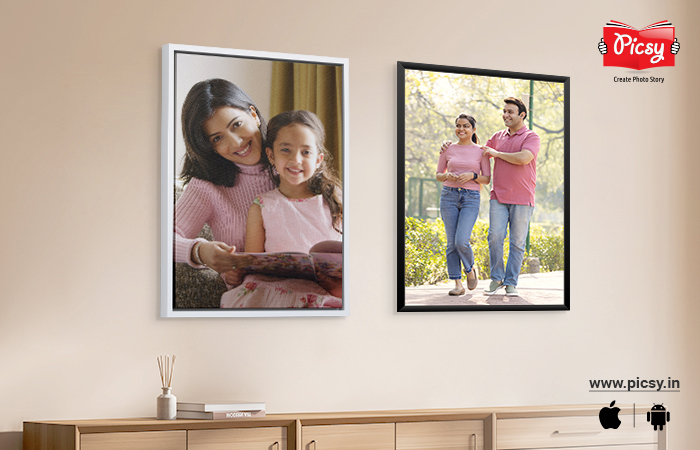
Floating frames are designed differently. Rather than sitting tight to the edge of the frame, the art floats in the frame with a gap all the way around it.
It is a very popular style for the stretched canvas type of artwork.
A small gap between the piece of art and the frame gives the artwork some depth, giving it this modern gallery look.
Floating frames are also popular for homeowners that want to keep it a sleekier and more premium finish.
The Biggest Visual Difference
At the core, the biggest difference comes down to presentation.
Normal frames feel a little more traditional and closed. Floating frames seem airier and more modern.
Here is a simple comparison:
Regular Frames
- Art touching the edge of the frame
- Uses glass in a lot of cases
- Classic style
- Very common for prints and photos
Floating Frames
- Visible space around the art
- Typically, no glass for canvas artwork
- Modern gallery looks
- Example of the massive pieces you can get
It can look gorgeous when paired correctly with the artwork and room style in both scenarios.
What is the Best Format for Canvas Art?
Canvas art is where floating frames really shine.
In the need to move around an entire frame versus simple wood where the edges are sometimes hidden from view. When viewing on wood then you run the risk of turning it into simply a bulked-up canvas. Floating frames is a type of frame that allows the entire canvas to be visible, while also providing an element of structure around the piece.
This ensures a neat and elegant display.
This is why most experts delivering framing advocate for floating frames for contemporary canvas prints and abstract artwork.
Do Floating Frames Protect Artwork?
Yes, but in a different way.
In contrast, traditional frames with glass protect much better against dust, moisture, and contact. Floating frames are less about protection and more about presentation and visual impact.
Regular frames are generally a safer bet for those more delicate paper art pieces or more valuable documents.
With stretched canvas art, however, floating frames give just enough support while augmenting the appearance of the artwork.
How to Choose the Right Style for Your Home?
The interior design style you are following is also a great indicator when it comes to finding the most suitable frame.
Regular frames suit:
- Traditional homes
- Family photos
- Certificates
- Vintage artwork
Floating frames suit:
- Modern interiors
- Large canvas art
- Minimalist spaces
- Modern designs
Professional framing in Melbourne often assist homeowners in deciding what styles of frames go with what furniture, wall colours, and the layout of the room.
Final Thoughts
Floating frames as well as normal frames, both have their own uses. Neither is best for every scenario.
Choosing a standard frame, if you want a classic display which ideally protects the piece. For a more contemporary, gallery-like look, you may find that floating frames are made for you.
An appropriate frame serves a purpose beyond the protection of art. It alters the way interact with the entire sculpture in your room.