






Why is an artificial grass cleaning service becoming a necessity in modern landscaping?
Artificial grass has transformed outdoor spaces with its year-round greenery and low upkeep requirements. However, industry data shows that maintenance demand is steadily increasing as usage expands across residential and commercial properties.
While artificial turf eliminates mowing and watering, it still accumulates dust, debris, and organic matter over time. Professional artificial grass cleaning service ensure that these elements are effectively removed, preserving both the visual appeal and functional performance of the turf. This shift toward structured maintenance highlights the growing recognition that artificial grass performs best when supported by expert care.
How does an artificial grass cleaning service improve turf performance over time?
Performance metrics indicate that regular cleaning directly enhances turf efficiency. Debris buildup can compress fibers and interfere with drainage systems, reducing overall functionality. Professional services address these issues by lifting fibers, redistributing infill, and removing embedded particles.
As a result, the turf maintains consistent texture, improved resilience, and optimal usability. Well-maintained surfaces continue to perform as intended, even in high-traffic environments, ensuring long-term reliability.
What impact does professional cleaning have on turf lifespan?
Longevity is one of the most measurable benefits of artificial grass cleaning services. Research suggests that removing abrasive debris prevents premature wear on synthetic fibers.
Additionally, cleaning helps maintain the stability of the infill layer, which supports cushioning and structure. When these elements are preserved, the turf can last significantly longer without requiring major repairs or replacement. This makes professional cleaning a strategic investment in protecting the overall value of the installation.
How does artificial grass cleaning service contribute to hygiene and sanitation?
Hygiene remains a top priority for property owners, particularly in spaces used by families and pets. Artificial grass can trap bacteria, allergens, and organic waste if not cleaned regularly.
Professional cleaning services use targeted techniques to eliminate these contaminants from deep within the turf system. This results in a cleaner, safer surface that supports everyday use. By maintaining sanitation, these services create a healthier outdoor environment and enhance overall user comfort.
Can artificial grass cleaning services effectively manage odors?
Odor control is a significant concern, especially in areas with pets or frequent activity. Organic matter and moisture can lead to persistent smells if left untreated.
Professional cleaning services address this challenge by neutralizing odor-causing bacteria at the source. This approach ensures long-lasting freshness rather than temporary masking. According to maintenance insights, consistent cleaning plays a key role in keeping artificial turf odor-free and pleasant to use.
How do these services improve drainage efficiency?
Efficient drainage is essential for maintaining a functional turf system. Over time, debris and compacted infill can block drainage pathways, leading to water accumulation.
Cleaning services remove these obstructions and restore proper water flow. This not only prevents puddling but also reduces the risk of mold and moisture-related issues. Improved drainage contributes to a more durable and reliable surface, particularly in regions with varying weather conditions.
What visual improvements can be expected after professional cleaning?
Visual quality is one of the most immediate and noticeable benefits of artificial grass cleaning services. Accumulated dirt and debris can dull the turf’s color and create an uneven appearance.
Professional cleaning restores the vibrancy and uniformity of the surface by removing contaminants and lifting matted fibers. Data shows that regularly cleaned turf retains its original look for longer periods, ensuring that outdoor spaces remain attractive and well-maintained.
How do artificial grass cleaning services enhance safety?
Safety is closely linked to the condition of the turf surface. Debris buildup and uneven infill can create inconsistencies that affect traction and comfort.
Professional cleaning ensures a level and stable surface, reducing the risk of slips or discomfort during use. Additionally, the removal of bacteria and allergens contributes to a safer environment, particularly for children and pets who frequently interact with the turf.
What technologies are used in professional artificial grass cleaning?
Modern cleaning services rely on advanced equipment designed to deliver thorough and efficient results. These tools are capable of deep cleaning within the turf layers, lifting fibers, and redistributing infill evenly.
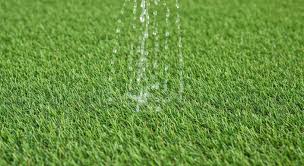
Innovative techniques also focus on eco-friendly practices, using minimal water and non-toxic solutions. This combination of efficiency and sustainability reflects the evolving standards of professional turf maintenance.
How often should artificial grass cleaning services be scheduled?
Maintenance frequency depends on usage patterns and environmental conditions. High-traffic areas or spaces with pets may require more frequent cleaning, while lower-use areas can follow a less intensive schedule.
Industry recommendations suggest that periodic professional cleaning, combined with routine upkeep, delivers the best results.
Consistent scheduling helps maintain both the appearance and functionality of the turf throughout the year.
Do artificial grass cleaning services support environmental sustainability?
Artificial grass is already valued for reducing water usage compared to natural lawns. Cleaning services further enhance this benefit by maintaining efficient drainage and reducing the need for chemical treatments.
Eco-friendly cleaning methods ensure that the turf remains sustainable while minimizing environmental impact. This aligns with modern landscaping practices that prioritize both performance and responsibility.
How do these services influence long-term maintenance costs?
From a financial perspective, artificial grass cleaning services provide measurable cost advantages. Preventive maintenance reduces the likelihood of damage, minimizing repair and replacement expenses.
By preserving the turf’s structure and performance, cleaning services help property owners avoid costly interventions. Over time, this proactive approach leads to significant savings while maintaining high-quality outdoor spaces.
Why are professional cleaning services more effective than basic maintenance?
Basic maintenance typically addresses only surface-level concerns, such as visible debris. In contrast, professional cleaning services deliver comprehensive results by targeting deeper layers of the turf system.
Specialized equipment and expertise allow for the removal of embedded contaminants, restoration of infill balance, and improvement of overall performance. This level of care ensures consistent and reliable outcomes that go beyond standard upkeep.
Conclusion
Artificial grass cleaning services have become a cornerstone of modern turf maintenance, driven by data-backed benefits and growing demand. From enhancing durability and hygiene to improving drainage and visual appeal, professional cleaning delivers measurable results across every aspect of turf performance.
By adopting a consistent cleaning strategy, property owners can maximize the lifespan and value of their artificial grass while maintaining a clean, safe, and visually appealing environment. In today’s landscaping standards, professional cleaning is not just an option—it is a key factor in achieving long-term excellence.